
The Living Room Clinic: How Parents Are Pioneering "DIY Therapy" and Redefining Support in 2026

SocialDiverse Admin
Published · 3 min read
278 views
2 likes
0 comments
0 shares
---
## The "Waitlist Cliff" and the Living Room Evolution
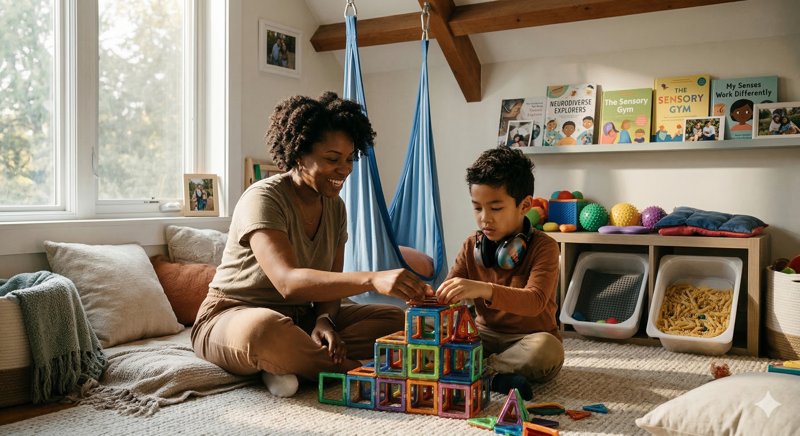
If you are a parent of a neurodivergent child in 2026, you already know the sinking feeling of the "Waitlist Cliff." You make the calls, you fill out the endless intake forms, and then you hear the words that have become all too common in major metropolitan hubs like London or New York: *"We can see you in 12 to 18 months."* A year and a half is a lifetime in a child's development. But here is the good news: parents are no longer waiting for a formal "go-ahead" from a clinic to start supporting their kids.
The living room is becoming the new therapy center. And the goal isn't to "fix" our children to fit a rigid, neurotypical system. The goal is to build a customized ecosystem at home that allows them to thrive exactly as they are. Welcome to the era of Neuro-Affirming "DIY Therapy."
## Section 1: Redefining the "Clinic" - The Home-Based Sensory Diet
Formal therapy is crucial, but it’s the other 167 hours of the week that matter most. In 2026, parents are shifting their focus to the foundation of all learning and regulation: the sensory system. Search terms like **"sensory play ideas" (+1070%)** demonstrate a massive demand for accessible, low-cost ways to create a "Sensory Diet" at home.
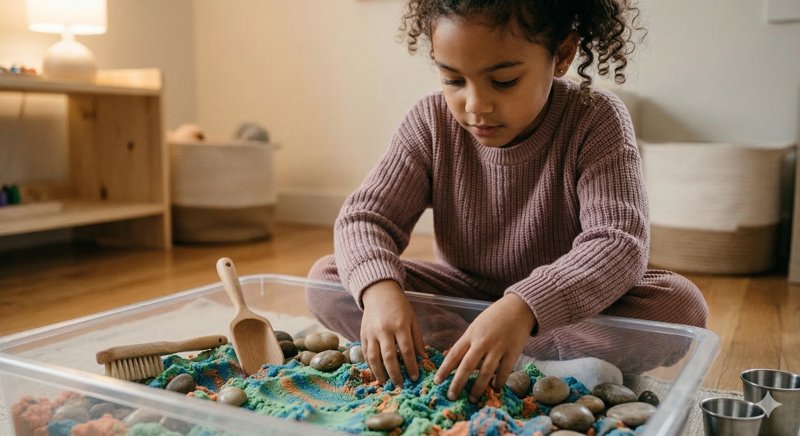
Neuro-affirming support recognizes that a child cannot learn, communicate, or transition if their nervous system is overwhelmed or under-stimulated. Instead of expensive clinical equipment, parents are creating:
* **Heavy Work Stations:** Activities like pushing a weighted laundry basket or climbing a dynamic indoor bouldering wall (which has seen a 400% increase in home installations) provide deep pressure input that calms the nervous system.
* **Regulation Retreats:** Simple, low-stimulation corners with soft lighting and noise-reducing materials serve as an immediate escape from sensory overload.
## Section 2: Communication without the Flashcards - Speech Therapy at Home
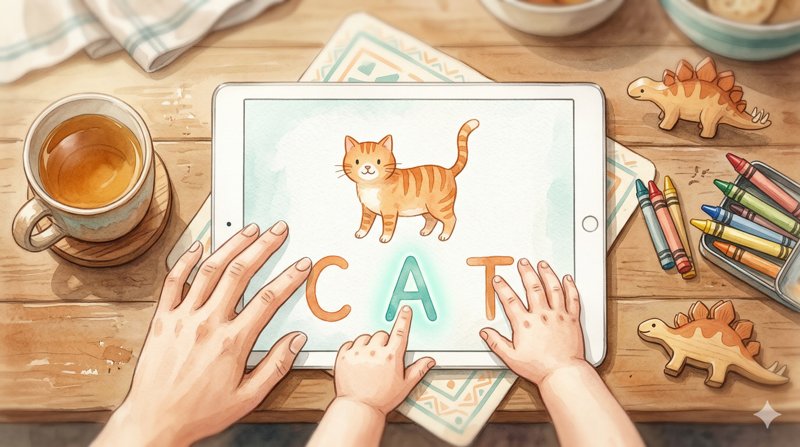
Communication is a fundamental human right, yet formal speech therapy access remains a significant challenge. A standard hour-long clinic session once a week is rarely enough. True progress happens when practice is integrated seamlessly into a child’s natural environment—their home and daily routines. The trend for 2026 is **At-Home Speech Therapy Practice** using **Natural Communication Models**.

Parents are learning techniques once reserved for professionals, moving away from forced compliance towards honoring all forms of communication (gestures, pointing, behavior, and AAC):
* **Narrate the Day:** Simply speaking out loud what you are doing (e.g., *"I am pouring the cold milk. Splash, splash!"*) builds vocabulary without the pressure of a "test."
* **Follow Their Lead:** Use a child’s intense interests (a common trait in neurodivergence) as the primary motivator for communication. If they love trains, use trains to encourage requests and interaction.
## Section 3: Busting Task Paralysis - Managing "Executive Function Tax" and Redefining the Routine
For many neurodiverse children, a standard daily routine chart is a recipe for a meltdown. They experience what the community calls **"Executive Function Tax"**—the hidden cognitive energy required just to *start* a task, let alone finish it. The solution in 2026 is **At-Home ADHD Routine Planning** and **Visual Schedules** that emphasize predictability over speed.
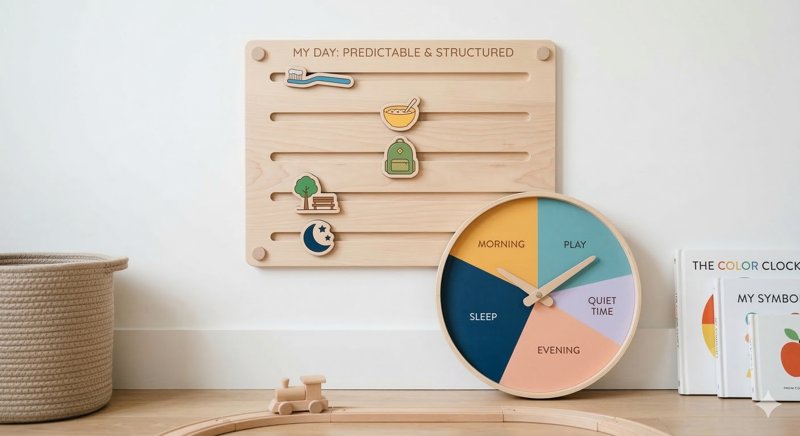
Instead of a high-pressure 15-item checklist, parents are implementing:
* **Micro-Stepping:** Breaking complex demands like "get ready for school" into tiny, manageable steps (e.g., "put on left sock," "put on right sock," "stand up").
* **Low-Demand Days:** Scheduled periods with zero expectations, allowing their brains to rest and recharge without the demand to socialize or perform.
## Section 4: The 2026 Parent's Guide - Emulating "Slow Motherhood" and "Screen-Smart Adventure"
While these techniques are powerful, they require a shift in parenting philosophy. This is where the overarching trends of 2026—**"Slow Motherhood"** and **"Screen-Smart Adventure"**—intersect with neurodiversity support. "Slow Parenting" encourages parents to simplify, observe, and connect before expecting achievement.

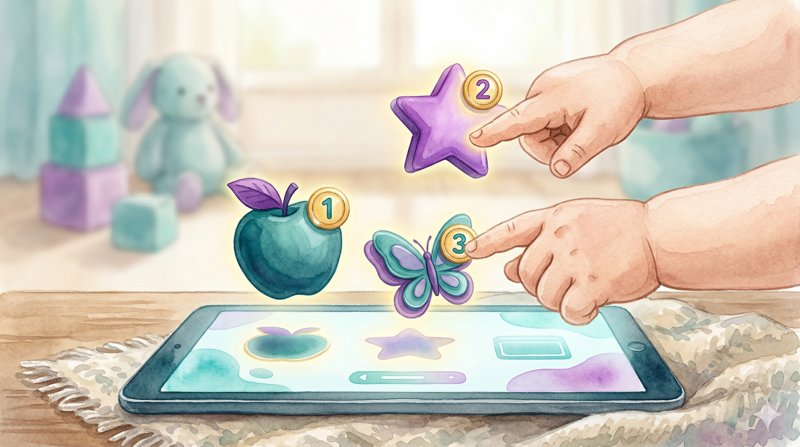
We’ve moved beyond the "Digital Detox" debate. Parents now understand that for many neurodiverse kids, a screen is a safe, predictable communication and regulation tool. Screen-Smart Adventure means using technology intentionally:
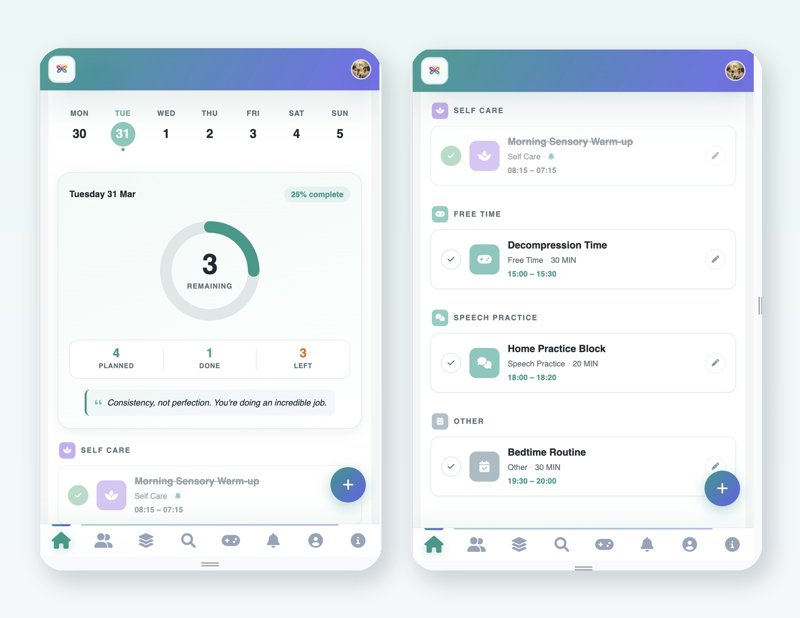
* **AI-Powered Accessibility:** Utilizing specialized tools that offer sensory-friendly, micro-step support, acting as a "Care Buddy" rather than a rigid enforcer.
* **Offline Learning Balance:** Ensuring screen time is complemented by tactile, natural experiences that ground the child.
## You Are Already Doing It
The most important takeaway for parents navigating the neurodiverse world in 2026 is that you don't need a medical degree to be exactly what your child needs. Every time you dim the lights because you notice they are overwhelmed, or every time you turn a speech exercise into a silly game, you are providing crucial, neuro-affirming care. The waitlists might be long, but you are not powerless. You are the expert on your child, and your living room is the perfect place to start.
---
**REFERENCE:**
For more information on navigating autism support and understanding waitlist data in the UK, consult this 2026 report from the leading neurodiversity advocacy group:
[Reference Link: The 2026 Guide to DIY Neuro-Affirming Support (UK Report) - Social Diverse Article](https://socialdiverse.com/article/f4044143-3ec9-4073-94b3-35d88473cacf/)
You're exploring something meaningful
Join India's neurodiversity community to read the full article, connect with experts, and access resources that make a difference.
Free forever — no credit card needed
Already a member?
Log in to continue reading

0 Comments
Join the conversation
Share your thoughts — log in or create an account to comment.